

A gentle, non-invasive path to nervous system reset. Release stored tension and find the silence beneath the noise.

Your heart rate spikes in ordinary moments, long before anything's actually gone wrong.
Your breathing gets fast and shallow the moment stress hits, making it harder to think clearly.
You catch yourself holding your breath through emails, traffic, or tense conversations.
A tight chest, or if you breathe from your chest instead of your diaphragm/belly, you're actively keeping your body stuck in low-grade alert.
You feel keyed up, and struggle to relax and switch off, even when there's nothing left to do. Or you just want more energy and focus.
Your mind and body won't downshift at night, leaving you tired but wired, and/or always tire as you wake up.
Breathwork uses conscious breathing techniques to improve wellbeing by balancing body and mind. By changing the way we breathe, we can affect the nervous system, helping to reduce stress, improve focus and support both physical and emotional resilience by encouraging the body to move out of “fight or flight” and into a calmer, more regulated state.Supported by a growing body of scientific research, breathwork is increasingly recognised asa powerful tool for improving mental clarity, sleep, resilience and overall health.
Breathing happens automatically, but it is also something we can consciously exercise. This makes breath a bridge to the autonomic nervous system, and changing how we breathe can help guide the body from high alert towards a calmer, more regulated state.
Calming the body's stress response through slower, deeper breathing.
Shifting the nervous system into its natural rest-and-digest state.
Slowing a racing mind and body before bed.
Clearing mental fog for sharper, calmer thinking.
Clearing mental fog for sharper, calmer thinking.
Creating a pause between what triggers you and how you react.
A relaxed chat to explore your goals and find the right breathwork approach for you.
We assess your natural breathing, posture and lifestyle to build your personalised plan.
Learn practical techniques in person or online until they feel natural. 20–40 minutes per session.
Simple breathing practices built into daily life a lasting tool for stress, focus and wellbeing. (50–70 minutes when combined with Meditation.)
Your breath is one of the few body systems you can control to influence the rest of your body
.Imagine driving a car. Pressing the accelerator prepares the car for action, while pressing the brake slows everything down. Your breathing works in a remarkably similar way. Faster breathing naturally prepares the body for activity, while slower, deeper breathing encourages your heart, brain and nervous system to settle, helping you feel calmer, think more clearly and regain control.
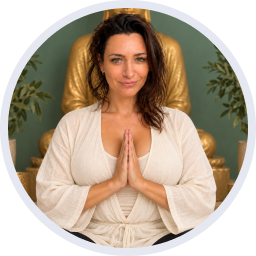
"I spent 15 years in high-pressure corporate strategy. I know what burnout feels like in the bones. I have also suffered from chronic nerve pain, in fact it's the reason why I do what I do today. I don't use 'woo-woo' language because I value practical results and honest discussions. I'm here to help you find your baseline again."
A 2023 Stanford study found that just 5 minutes of daily breathwork improved mood more than mindfulness meditation over a one-month period, with the biggest gains seen in participants who slowed their breathing the most. A separate meta-analysis of 12 randomized controlled trials (785 participants) found breathwork significantly reduced stress, anxiety and depression compared to control groups. Multiple clinical reviews also show that slow, paced breathing can meaningfully lower blood pressure by shifting the body out of "fight-or-flight" and into "rest-and-digest."
At Balynsed, we see breath as the one lever you have direct, conscious control over in your nervous system. A few minutes a day, done properly, can change how your whole body responds to stress.
At Balynsed, we meet you where you are — no prescriptions, no one-size-fits-all approach. Just a genuine conversation about what balance looks like for you, in your life, on your terms.
Ready to take the first step?